The thing about history is that it’s all about perspective. Sometimes it’s hard to realize this, because most people are taught about history as a linear timeline, with concrete events and timings. However, this timeline is built based on tons of perspectives that are thrown together. After all, how do we know about what medieval England was like? Well, we know through the written records, artwork, artifacts, and architecture left behind, and every one of these things has a perspective behind it. There’s a person who wrote that manuscript, who painted that mural, who owned that clay pot, and who designed that church, and behind every person, there’s a perspective built on their life experiences. So, really, our entire understanding of history is based on the perspectives that have survived.
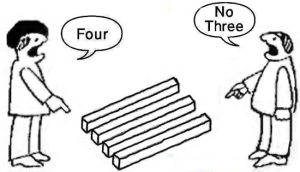
But what about the perspectives that have not survived? After all, a slight shift in perspective can drastically alter how a historical event is perceived. For example, in the poem “The History Teacher,” Billy Collins describes how the teacher taught that “the Enola Gay dropped one tiny atom on Japan.” While this is obviously a drastic minimization of what actually happened, this could technically be true. After all, it was just atoms that were dropped, except that those atoms were split to release massive amounts of energy and create one of the strongest bombs in the world. This example is an exaggeration of how history can shift between perspectives, but what about the real-life examples?
In the US, most history textbooks published omitted all important photographs of the Vietnam War until 1990, according to James Loewen, author of Lies My Teacher Told Me. The Vietnam War is known as one of America’s most controversial wars, considering the widespread opposition in the US against the war and the technical loss in the end. From the perspective of the US, it was a costly loss that didn’t seem to amount to anything. Teaching the details of this loss would only lead future generations of Americans to lose faith in our system. Only two decades after the end of the war have more textbooks started including personal experiences and focusing on the suffering during the war (Lachmann). Even now, as US textbooks are starting to show the true atrocities of the war, most textbooks still contain almost nothing about the suffering of the Vietnamese (Lachmann). Just last year, in my APUSH class, I remember only really learning about the My Lai massacre and maybe a vague sentence mentioning Vietnam’s war casualties. However, when looking at the war from a Vietnamese perspective, thousands of casualties are revealed, especially related to civilian deaths. By learning history through the American perspective, new generations of Americans don’t get to see the full picture of the war or learn from the past. The perspectives of Vietnamese civilians are lost to time, a piece of history that won’t survive.
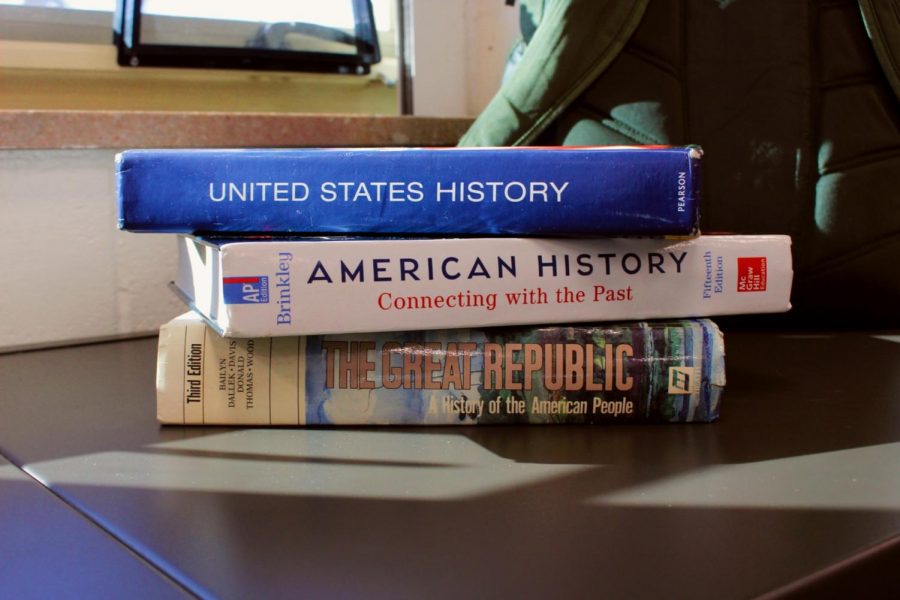
Photo Credit: Peyton Rodriguez
There are serious consequences when history is lost. In “The History Teacher,” Collins continues to describe how the students bully other kids. This represents their lack of learning from history. When we don’t learn about the atrocities that come before us, we’re never able to improve our world. After all, how do we improve upon our past if we don’t even know what that past is? The point of history is about learning from as many perspectives as possible, ensuring that we can form as complete a picture as possible to understand an event. Preventing perspectives from being lost to time is crucial to ensuring a better future.

No comments:
Post a Comment