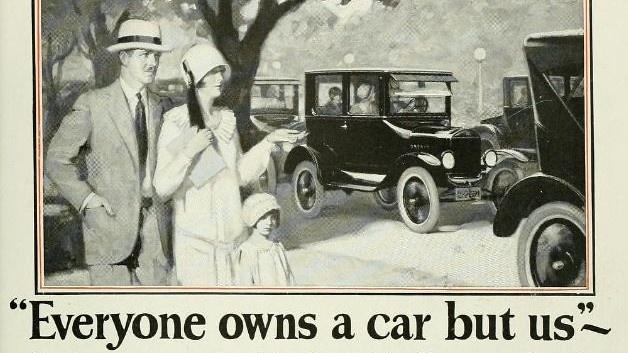
The 1920s is characterized by consumerism. Mass production becoming more common meant that items were cheaper, and the middle class with extra money to spare could finally afford luxuries, of which there were a plethora of options. Appliances, cars, fashion, cosmetics, magazines, and radio were all available. But how were they to choose what to buy? With tons of advertising of course! Advertisers now tried their hardest to glamorize products and convince people that “of course this product will give you this exact glamorized lifestyle that I’m presenting to you.” And guess what? That glamorized lifestyle was a good one, especially after the impact that WWI left behind. Of course people want to escape those memories. People were isolated by WWI. Their previous images of war and idealism were destroyed. Materialism and pursuit of that glamorized lifestyle was a way to escape.
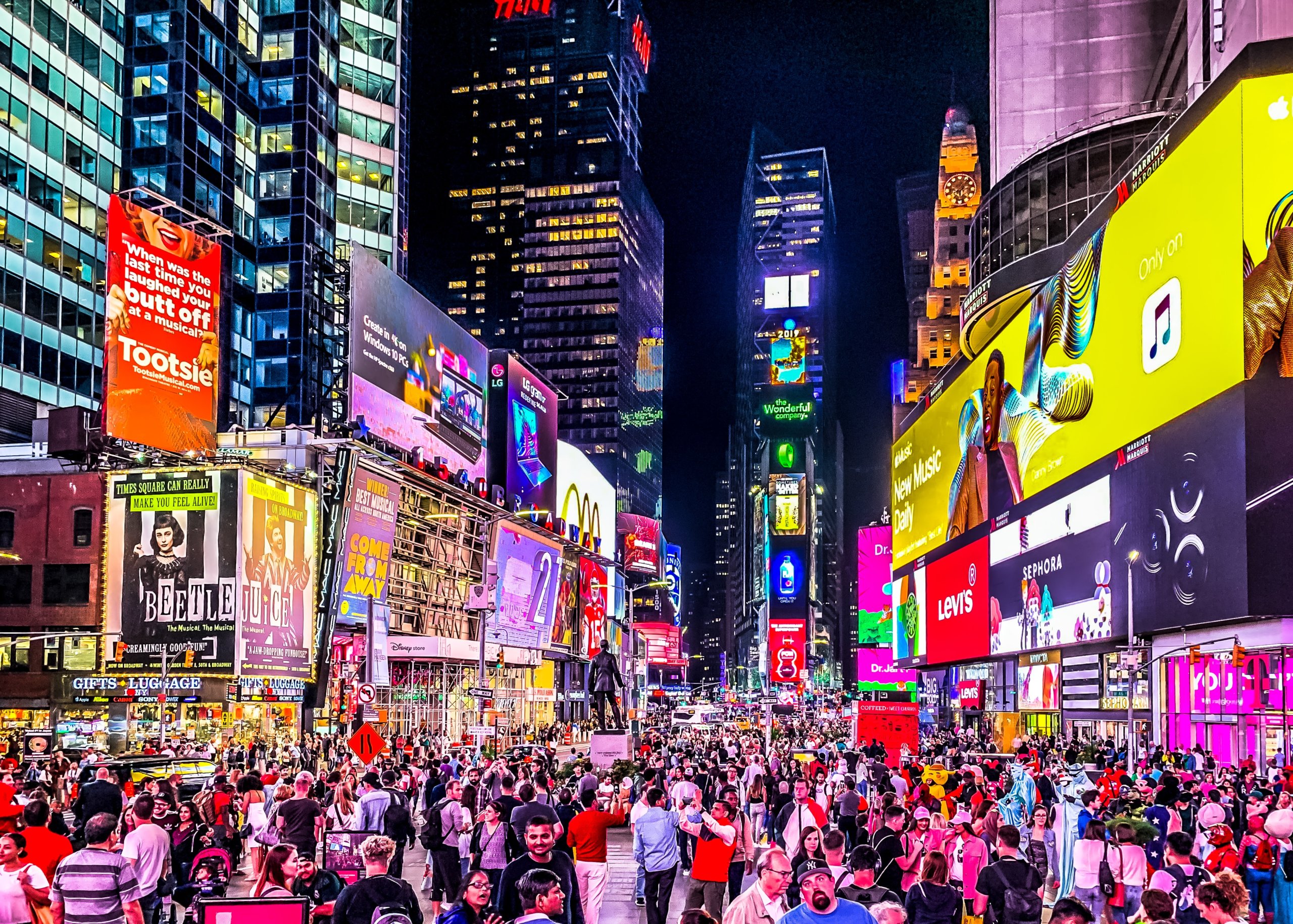
In the 2020s, you can’t escape ads. They are EVERYWHERE. No matter where you look, there they are. And you think one or two ads is bad enough when you get them on your phone? Just go take a look at Times Square. That’s the final boss of ads. These are just the obvious ads too. Social media contains so much subtle advertising that only furthers consumerism in the modern era. People are constantly buying mass hauls of everything, and if you want to keep up, you have to buy those products too. After all, that influencer seems to be living such a healthy, happy life, so if I replicate her, I’ll be living that same life. The problem is…I’m not her. Sure, maybe some of her habits might translate well into my life, but I just can’t seem to do everything she can. And that just makes me feel worse, because it seems like everyone is doing just fine. This is that start of a spiral that is one of the major causes of the loneliness epidemic, as outlined by the former US Surgeon General. Just like the 1920s, the 2020s is filled with isolation that stems back to the COVID-19 Pandemic. During this time, isolation was forced, with our only connection being via the Internet. When you aren’t able to connect as often with people in your own life, you turn to social media. Social media provides an escape to the isolation, an algorithm constantly feeding you dopamine and promises of a better life with just one product.


I really like how you compared the 1920s and 2020s. It’s interesting to see how even after the way advertisements changed, people are still buying the items in order to try and live a better life.
ReplyDeleteI never really thought about how consumerism was an escape from the trauma of World War 1, and it's a bit freaky how it mirrors the consumerism that exists today post-covid. This was a really insightful post and I'll be sure to keep it in mind when we read the book.
ReplyDeleteThis comment has been removed by the author.
ReplyDeleteApart from your connection to post war consumerism, I found your take on social media and loneliness during Covid very interesting Nishitha. We think of consumerism, materialism, and the result of disillusionment during the 1920s as something not relevant today, even though it is. During covid and even now, social media has advertised a fake glamorous life that many mistake to be the true meaning of life.
ReplyDelete